The Origins of Psychoanalysis in Israel
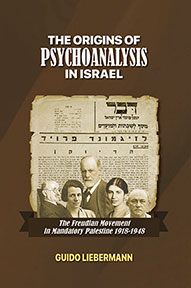
This book presents readers with the fascinating story of the history of psychoanalysis during the time of the British Mandate in Palestine and the early days of Israel's statehood.
During the 1920s and 1930s, and particularly with the rise of anti-Semitism in Central and Eastern Europe, the Nazi rise to power in Germany, and the invasion of Austria, disciples of Freud began arriving in Palestine and laying a foundation for the psychoanalytic movement in the country. They included Dorian Feigenbaum, Montague David Eder, Max Eitingon, Moshe Wulff, Josef Friedjung, and Grete Obernik-Reiner.
Freud's theories would not have been accepted in the circles of the Jewish community were it not for the efforts of these followers of psychoanalysis, who worked with enthusiasm and determination to introduce Freudian methods into hospitals, educational institutions, social services, the Hebrew University, and kibbutzim. Freud's methods made it possible to provide attention and treatment to thousands of war orphans, Holocaust survivors, kibbutz children, and children of immigrants from Arab countries.